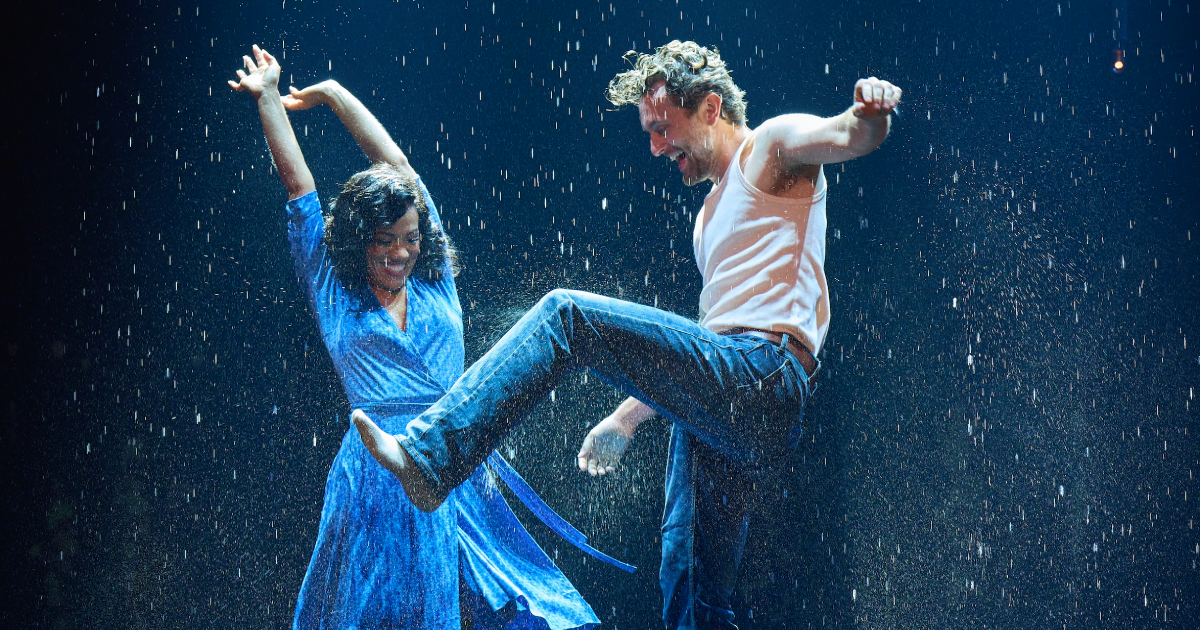


Less than one month after record-breaking ticket sales for Swan Lake, this season’s big storybook ballet, Grand Rapids Ballet offered their annual performance of new short works choreographed by the dancers themselves.
“This is going to be NOT Swan Lake,” said Artistic Director James Sofranko in his opening night curtain speech, pointing out that the dances were unfinished, diverse in style, and about pushing boundaries and the process of creativity itself. And if you don’t like one dance, he said, not to worry: another completely different one will be starting soon.
In fact, this year’s Jumpstart presented 10 new works from 10 different choreographers in two acts in under about 100 minutes including intermission. The dances may be works in progress, but each one was perfectly polished, with clear intent and exquisite execution. From classical ballet to post-apocalyptic modern dance with romantic and playful interludes in between, this show offered a delightful evening of dance and a glimpse into the choreographic vision of some of the dancers and their ability to guide their professional peers in ways outside the usual canon.
Indeed, this is one of the great strengths and joys of Grand Rapids Ballet—ever pushing the boundaries of what they can do, from gravity-defying precision and strength in classical works to excellence in inventive new dances that blur genre, they thrillingly expand the possibilities of dance rooted in terrific skill.
That’s what makes Jumpstart an audience favorite, and this year’s performance doesn’t disappoint.
Though the dances as a whole were perhaps less eclectic than years past, the choreographic intent was clear, and standout pieces were intensely varied.
Rowan Allegra’s opening piece, Vessel of Ashes, set to hypnotic, chanting, at times carnival-like music from Philip Glass, was an absolute knockout. With five dancers dramatically lit from the side and overhead, and dressed in black bodysuits, the dance was strong and athletic, with the dancers were more like creatures than humans. Their precision was palpable—the turn of a head was as powerful as a crouching walk, a sweeping lift, or a backwards jump with a beat. Especially dramatic pas de deux between men were exhilarating in this acrobatic, edgy ballet.
Gabriel Weiner’s jazzy, upbeat Bedhead (Negusé) began with four dancers lying on the ground and individually and collectively rising to dance en masse and in pas de deux, the two men in white high-waisted trousers and suspenders, the women in short flowing skirts with structured bodices en pointe. With terrific control and poise, they joyfully moved up and down from the ground to gravity-defying heights, with beauty and poise in every moment.
Also wonderfully playful was Nathan Young’s Close Encounters, like a spastic, contrapuntal waltz for four dancers set to Dan Deacon’s When I Was Done Dying, the title of which gives a clue to the impetus for their wonderful musicality, as if they’re moving through the music like water in their joyful dragging, turning, and gliding.
Nigel Tau’s Birth of the Moon is an excerpt in three parts—an angsty, beautiful pas de trois in which one of the three is often splintered off from the other two, like a contemporary love triangle or perhaps a story about polyamory in which the most heat is between the two men and the woman mostly seems to interfere. With lovely backbends, sharp arms, and music, energy, and lighting shifts, this dance was the most narrative of the show and achingly gorgeous.
Incredibly intense, Julian Gan’s Berontak, set to industrial, techno music by Raja Kirik that became increasingly dissonant as the dance wore on, felt like a prequel to last year’s zombie apocalypse Chaordic. Though much smaller in scale, the shifts in music and lighting seemed to change the temperature in the room at the end of Act I as the six dancers sliding, gliding, and twirling gave way to an aggressive assault, with wrists crossed they sliced the air as if with an axe, adding a few body rolls and shoulder shimmies before they clustered in a slow-motion tableau. This was the most challenging dance of the evening. But if art is meant to make us uncomfortable, this piece succeeds.
And levity graciously abounded in this well-sequenced, nicely-paced program to balance the intensity. Isabella Salas’s duet Resonance and William Wisneskey’s solo Roses were visually similar romantic anchors in Act I, and Natalia Garcia’s Impromptu, set to Schubert, was an appealing little romantic classical ballet. Ten dancers filled the stage as two couples and two trios. Full of excellent partnering work with lifts and supported turns, the dancers executed the pretty choreography with excellent musicality.
Another large cast filled the stage with sweeping port de bras and quick jumps that transform as the pace builds into running, twirling, and leaping in Delaney Hart’s Love Like a Sunset set to music of the same name by Phoenix. With wonderful controlled energy, the 11 dancers form a line that becomes two circles and then one in this piece that feels like an agitated, tribal, folk dance.
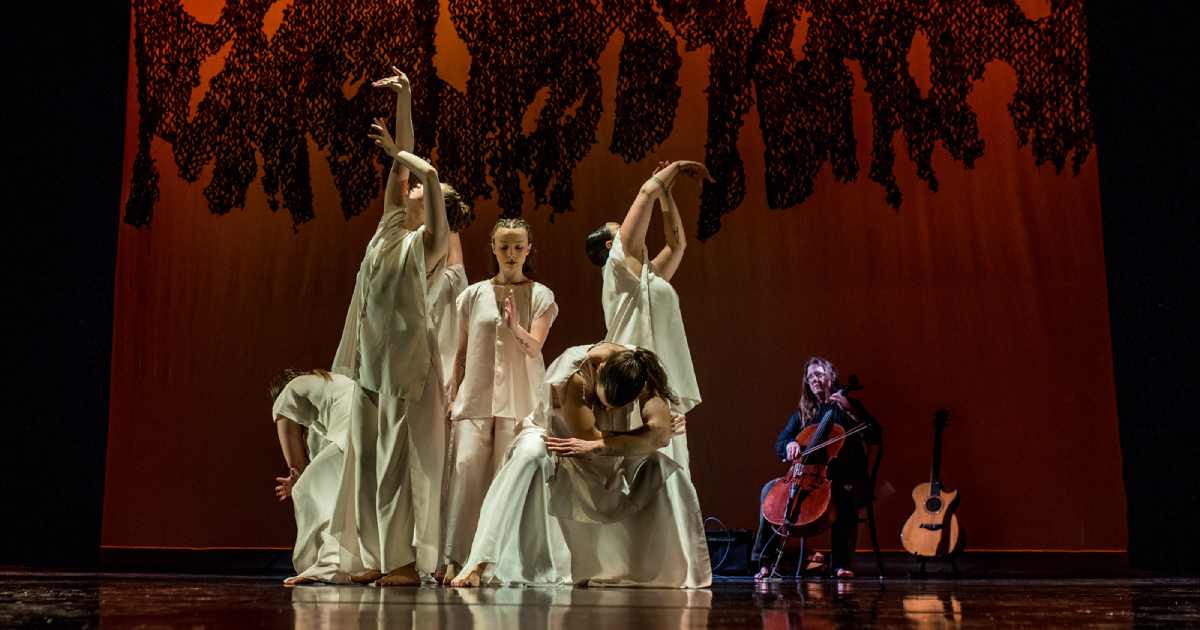
And this Jumpstart closes quietly, not with a bang, but a whisper, or that which remains unsaid, in James Cunningham’s Tacenda, set to Vivaldi, Handel, and Bach. Four pairs lit dimly and dramatically move in soft shoes with quiet lifts, fingers to lips as if offering a “shhhh” and partners holding each other by the mouth. It’s both controlled and athletic, a powerful piece that speaks by holding back.
Jumpstart 2026
Grand Rapids Ballet
March 27-29
https://grballet.com/jumpstart-2026/