

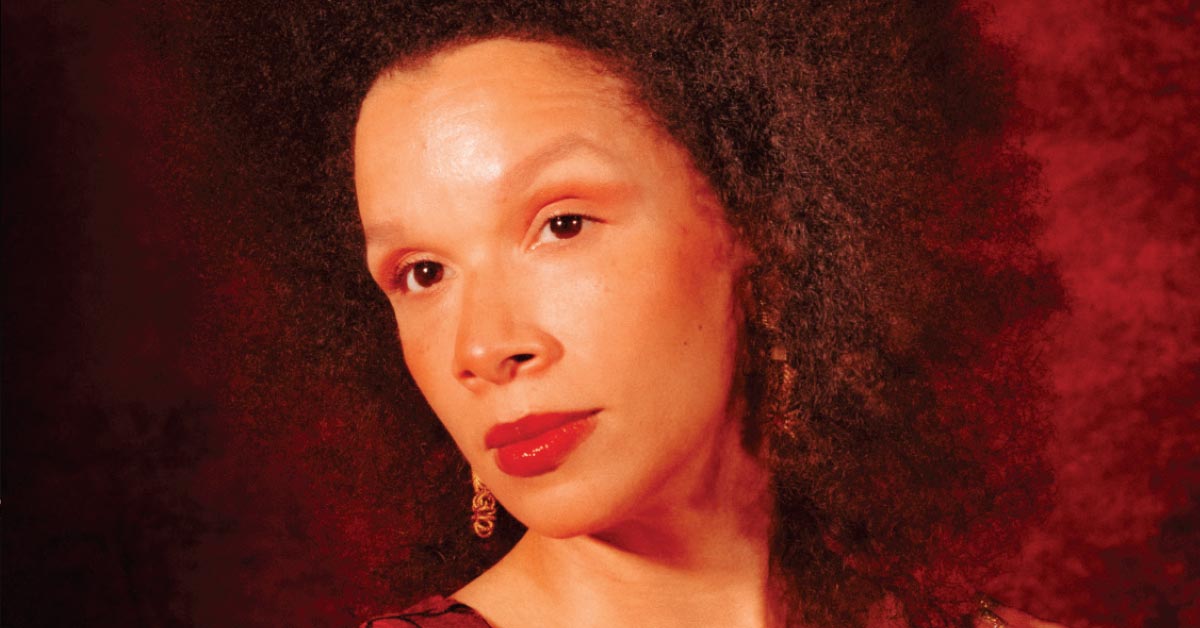
For Grand Rapids singer, songwriter and multi-instrumentalist Molly Bouwsma Schultz, her long-awaited debut solo album Soul Feels Free, arriving Nov. 11, represents eight years of life, growth, motherhood and hard-earned self-discovery.
Blending soul, gospel, jazz and global musical influences, the entirely analog-recorded album is both a celebration of creative independence and a reflection on what it means to live authentically.
“The intention and care put into the process of curating this 15-track album feels like a natural unfolding of a body of work that developed throughout many seasons and timelines of massive personal and global shifts over the last eight years,” Bouwsma Schultz told Revue.
The past eight years have changed her, both as a person and an artist. The result is a record that doesn’t simply introduce Bouwsma Schultz as a solo musician; it captures her stepping fully into her own voice, on her own terms.
“Putting this project out into the world feels like a new beginning because ultimately everything changes and we are always being thrown into the future,” she said.
Grand Rapids audiences have known Bouwsma Schultz through several chapters of her musical career, from her early work with Blue Molly to fronting Vox Vidorra, the acclaimed local soul outfit whose 2015 album Promise Land won the Jammie Award for Album of the Year.
Following years of collaboration, her solo career as Molly has given her the freedom to pursue her own musical ideas from beginning to end.
“Making this Molly album feels empowering because I’m standing in front of the music unapologetically,” she said.
Her decision to take ownership of the songwriting process also reflects the realities she experienced coming up in the music industry.
“Coming up as a young Black woman in music performing mostly blues, jazz and gospel covers, I learned that your gender, age, and race, can have a powerful influence on how well you’re able to bring your ideas across in group dynamics,” she said.
Bouwsma Schultz values collaboration, but she recognizes the importance of protecting her artistic vision in an industry with a long history of overlooking women’s contributions.
“There are far too many stories of my favorite artists like Whitney Houston, TLC, Anita Baker, Mariah Carey, Billie Holiday, countless early blues artists, world artists, and songwriters in history and currently who’ve made music that sold millions of albums without recognition, credit, or proper compensation while, delivering endless talent inside a male dominated industry,” she said.
For her, creative independence is about more than getting the final say on a melody or lyric. It’s about reclaiming the power to tell her own story.
“Becoming a solo artist was the natural step in the direction I was always heading in an effort to reclaim the voice of the life I’m meant to live and speak through,” she said.
Few experiences have transformed Bouwsma Schultz more profoundly than becoming a mother. She began writing Soul Feels Free years before her daughter was born, but motherhood ultimately became one of the defining moments shaping the finished album.
The song “Safina’s Heartbeat” incorporates audio of her daughter in utero, connecting the physical rhythms of life with the bonds between mothers, children and generations.
“These heartbeats are in everything I do now both as a human, and woman, and creator,” Bouwsma Schultz said. “These rhythms carry us all into existence.”
Her daughter was part of the recording process, too, present during sessions spanning pregnancy, infancy and childhood.
“She was in the studio when I was pregnant recording auxiliary vocals for ‘Don’t Be Surprised’ on the album, and she was present as a child for our last couple sessions wrapping up the album.
Bouwsma Schultz sees the songs as something she can pass along to future generations, preserving the lessons and experiences that shaped her life.
Influenced by writers and cultural figures including Toni Morrison, Nina Simone and Audre Lorde, she understands freedom as an ongoing commitment to human rights, equality and solidarity.
“Standing in your ethics without fear of the backlash is a type of freedom and that type of freedom is especially potent and imaginative when it doesn’t require oppressing other people,” she said.
“I’m reminded that we are all enduring forms of injustice, and we all have an opportunity while we’re here to speak up about it, especially those of us with privilege and, or, a platform,” she added.
Recorded with longtime collaborator Tommy Schichtel at Grand Rapids’ Goon Lagoon studio, Soul Feels Free embraces what has been described as “future soul.”
“Future soul to me is less about defining a genre and more about the messages within the songs that can inspire some powerful change whether it’s vibrationally, energetically, or spiritually,” she said.
Drawing from the African diaspora, ancient Yoruban chants and musical traditions spanning generations, she views the album as part of a much longer cultural conversation.
That philosophy feels especially relevant as musicians confront artificial intelligence and the unauthorized use of their creative work.
“I was not worrying about AI bots harvesting my vocals to create digital blackface for nameless white creators when I started recording this album, but now these are very real things I have to contend with as a musician,” she said.
The album closes with “The Mine (A Congolese Lament),” a tribute to Miriam Makeba’s interpretation of “Liwa Wechi.” Sung in English and Lingala, the song considers the exploitation of workers and natural resources in the Democratic Republic of the Congo, connecting that history to the minerals used in modern technology.
It’s a challenging final statement for a record that asks listeners to consider how their lives connect with others.
“I feel this is my best offering yet as an artist,” Bouwsma Schultz said. “I hope this album will land in the hearts it was made to resonate with. Knowing my intentions with this album represent my calling and voice, a message of belonging and liberation while being able to help represent Grand Rapids and the state of Michigan in a meaningful way feels really special.”
Soul Feels Free arrives Nov. 11, with vinyl preorders available through mollymollymolly.bandcamp.com,
and digital preorders through subvert.fm/molly. The album will be available on major streaming platforms except Spotify. Molly plans to announce an album-release tour after listeners have had time to connect with the record.
