
With just over six years of a legal market under our belt, everyone in Michigan’s cannabis industry is still feeling the growing pains, to say the least.
A massive amount of oversupply has driven prices into the ground. A new 24% wholesale tax (HB 4951) has just been placed on the industry in order to fund fixing the damn roads. And thanks to “marijuana’s” classification as a Schedule I substance, operators are subject to federal tax 280E, which means they can’t deduct operating expenses and are taxed on gross profit.
On top of all that, the hemp industry (largely backed by big players in the alcohol industry hoping to combat decreased sales) has stepped in to offer unregulated products under the guise of names like “THCa” and “plant buzz”—despite being effectively the same thing as cannabis, but produced in less safe ways.
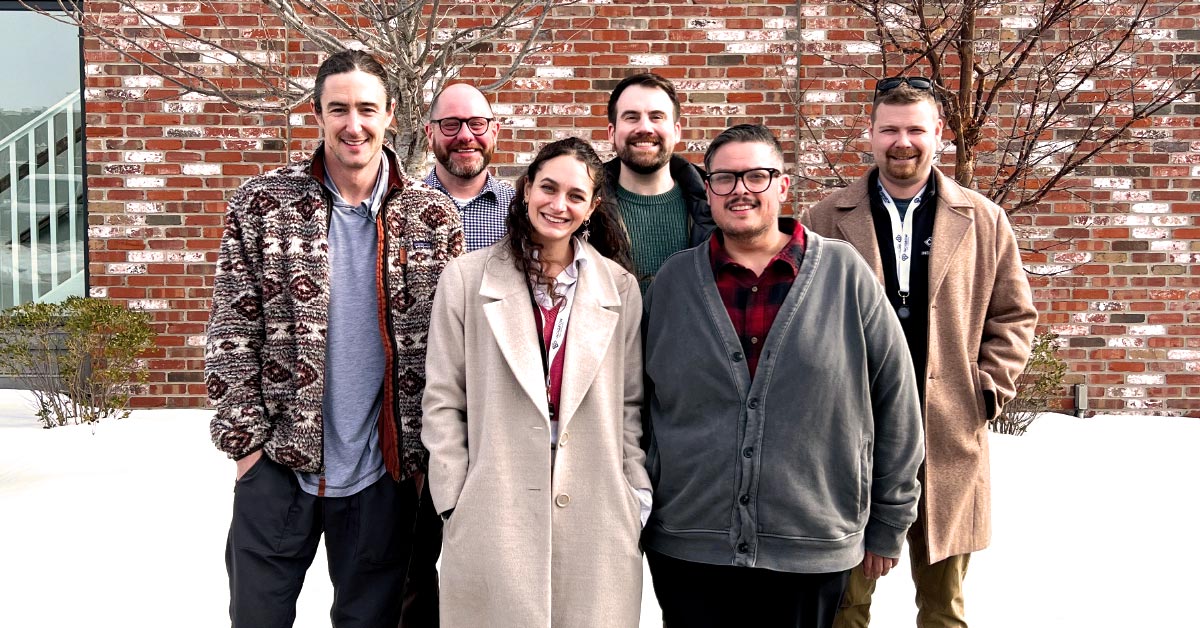
To discuss all this and more, we brought together just a few experts from the cannabis industry for a roundtable, and they had a whole lot to say.
Editor’s Note: This is an extended version of the conversation in the print edition.
Participants:
- Casey Kornoelje, Owner, Pharmhouse Wellness
- Karen Kekelik, Co-founder, Indigrow
- Steven Kekelik, Co-founder, Indigrow
- Chris Silva, Board Member, West Michigan Cannabis Guild
- John Lipford, Professor, Grand Valley State University
What are the top concerns at the moment?
STEVEN: One of our biggest things right now is you see a giant growing subset of customers who are entering the cannabis market, and the hemp market is actively trying to pull them into hemp. You see a ton of this Facebook marketing and online accessibility of hemp-derived beverages, which our state is supposed to protect us from. People are moving away from alcohol to cannabis as an alternative, and how do you keep those people inside the regulated market? Because a lot of them want to be discrete, and ordering online is easier than walking into a dispensary, for some first timers.
CHRIS: They don't have any of the inputs you have. They can do cannabis products that are illegal here to produce, like a 5000 milligram edible or like a much larger vape container. And none of that stuff's regulated. It's just on these people to be good dudes, but if the conversion is done wrong, you can poison people.
Tell us more about that.
CHRIS: So, some of it is actually from CBD, and in my opinion, that's the most problematic. You can take CBD and you can do a process to convert it to THC, basically, and it's called conversion oil, but it's hard to do. And if it's done incorrectly, it can intensify pesticides and other things that are in there. And then the actual conversion chemical itself, it's a poison. What they will also do, because there's no regulation, they'll pesticide the shit out of it. Then, maybe they don’t do a good flush, or if they’re making extracts and edibles, they’re definitely not following a GMP certified facility, and probably not even following the health and human safety things that we need on a consumable product. I'm not saying that everyone's doing it bad, but I know for sure nobody's looking to see. Call me a cynic, but generally, when industries are like that, it goes bad.
STEVEN: We're looking at things from consumers as far as epilepsy, having seizures, feeling a hungover effect, uneasy, dizzy, unsteady. I mean, these things are getting attributed to THC, but done correctly, it doesn't bring that. What you're seeing is unrestricted or untested additives. They get a list of what they can't use, and then go ahead and find anything else that works. That's not how any other industry works. We can only put in our products what is FDA GRAS, or edible approved. Other things that come from hemp, oils brought in from out of state, they don't follow those restrictions.
JOHN: This reminds me of like seven years ago with synthetic marijuana being a huge problem, and people tweaking out, and, like you said, all these side effects. And it sounds a lot like that, where it's not the actual product, it's all of the processes.
STEVEN: And the cutting agents. When profit doesn’t meet purpose, I can cut it in half and sell it — Again, you can put “500 milligrams” on the vape you sell online. That doesn't mean there's 500 milligrams in it.
CASEY: The scary thing there is, you've got people that potentially could be medical patients, and they rely on this product for wellness, for healing, and that's the reason why I got into this. But if they're getting something that has additives or that's been converted inappropriately, and you're introducing that product to somebody who is immunocompromised or who just has susceptibilities from a health standpoint, it’s going to magnify that. And so that's why it is so critical that testing or that identification of those things, because it's being sold to unsuspecting recipients.
KAREN: And it all really falls back on cannabis as the scapegoat. Even when these things are sold in gas stations or whatever sketchy place, and an 18 year old or even a minor gets their hands on it, it's like, “Well, the cannabis industry is just letting all the kids get high.” Okay, no licensed cannabis facility is selling stuff to minors, because that's a huge risk to us. We would never do that. But a gas station attendant, what do they care? What's the risk to them? Like, there's not a gas station license they're gonna get taken away. So it all falls back on the cannabis industry as the scapegoat, as the bad guy.
Why are they doing it this way?
CHRIS: They can do all this stuff outside a regulatory environment, even though it’s effectively the same thing. There's no such thing as THCa or any of that. It’s THC, it gets you high. They’re skirting the law that all of us helped create and push for, and they're not paying any of the regulatory fees, the testing fees, any of that stuff, and they're selling it to anybody. People are able to get this in gas stations and grocery stores.
STEVEN: And it's already happening. There are stores in Grand Rapids that already carry these products. So, this isn't some threat that is looming or coming. It’s here.
CASEY: It’s in a lot of gas stations, tobacco shops, it's definitely like our biggest competitor. I mean, that is pretty much the black market. I came from the black market, so I don't knock the hustle, but I totally agree with what y'all are saying.
Why are they getting away with this?
KAREN: As time goes on, they feel more emboldened and they have a bigger presence. They kind of now understand that they can do whatever, and there's not going to be repercussions, so there's not much enforcement as far as the hemp regulatory body. They see the market, why not capitalize on it? You know, it's hard to blame them.
STEVEN: And the Michigan retail association just announced last week, begging people to pull hemp drinks from the shelves, because nobody's enforcing it, right? Do we expect our cops to go into a gas station and be like, “Okay, this one's not allowed. This one's allowed.” They don’t have time for that. There’s like, gun violence to worry about. So, while they're making these rules to try to protect us from hemp, who’s actually going to go out and enforce this? In fact, in our industry, enforcement is by complaint. So, you live in a world where if they can put it on the shelf, they're probably not going to get looked at, even if they're reported. And if they do, they'll say, “Sorry,” take back those four and they'll buy a different brand. You’ll notice a lot of hemp drinks don't say “hemp” on them, they just say “plant buzz,” or “agricultural wellness,” or whatnot. They're learning what not to say and what they're teaching their consumers to look for.
JOHN: At the same time, as an attorney, they need to be wary of products liability lawsuits, because they're not following any standard of care as it pertains to looking at the components that go into their products. So, it's one class action away from that being delegitimatized and making cannabis look better, because we are going through all these regulatory precautions and standards of care to ensure that the products we are selling to our consumers have seen the light of day in the lab. And so, that is one main thing. Something will go wrong inevitably here, and the products liability suits will be quick.
What other issues are you seeing?
CASEY: 280E, the federal tax code that restricts us from deducting any ordinary operating expenses, is quite onerous for a retailer. if you can't deduct any operating expenses, you're effectively being taxed at your gross profit level. You could have a situation where you're profitable at the gross profit level, but after deducting all of your rent, salaries, office expenses, etc., maybe you actually break even or slightly negative, depending on the corporate overhead. And then you get into a situation where you're actually being taxed on a net loss, which can be devastating for any business. It's the most punitive tax structure for any company on the face of the earth. So that's a huge, huge struggle that I think all retailers have.
What could help change all this?
CASEY: There was an executive order that was signed by President Trump recently, saying that they were going to begin again the process that had previously begun under President Biden to go through the Health and Human Services, with the DEA, all that. I don't know if it has legs to make it all the way, but if it does effectively become reclassified from Schedule I to Schedule III, that could potentially relieve that burden of 280, which I think a lot of people in the room are hoping for to make the businesses viable.
KAREN: As someone who has a legal background, I think that the biggest hurdle is that these legislators, lawmakers, and regulators, they either don't know enough about cannabis in the industry or they don't care, or both. And so that's part of the struggle, right? We have all this other stuff going on. We have the Epstein files. How do we fix the roads? And they just don't know or don't care about cannabis. And it's easy to scapegoat cannabis, or say, “we'll just charge them the extra,” or “the rescheduling will be delayed because now we're focusing on this other issue.” So, that's part of the hurdle here, is getting those legislators informed and to care. Why should they care? How does it affect their constituents?
JOHN: Because it is still a Schedule I substance, I just have to say the opinions I share are mine alone, they're not necessarily those of Grand Valley. But from a consumer protection standpoint, the whole reason we have a regulated market and set all this up is to avoid these issues. But the research component, at least from a university standpoint, is going to be easier. Perhaps putting students in placement, in jobs and internships will be easier. But we also have to watch out for a big grab by big pharma, which would be the issue, because the FDA would now have some oversight over cannabis products. And then we wonder, will they just limit it to FDA approved things? But hopefully states continue to get autonomy here and get to decide what's best for them. Because Michigan's market, up until last year when this tax came through, was doing really well, at least in terms of a sales component, not necessarily revenue. And Andrew Brisbo, when he was leader of the CRA, said he wanted to make Michigan a national model in terms of our 16% tax rate. So now this wholesale tax, it's got a lot of unintended consequences that I think are going to happen.
Why has cannabis been targeted for things like the wholesale tax?
JOHN: Maybe our lobbying wasn't strong enough vis a vis the alcohol or tobacco industries, because you look at harm to communities, certainly cannabis isn't without risk, but those are the two primary harmful substances out there. And as you pointed out, consumption of both is going down while cannabis use is going up. And some say, “Well, that's a terrible thing,” but when I look at it from a college campus perspective, well, universities have had a huge problem with alcohol on campus and issues with that, so that's why we're trying to bring education to current students who will be our future leaders in these elected positions. We have, for example, alumni on Muskegon City Council, and just to have some background knowledge is going to be key going forward, because we were fed misinformation, disinformation for over 80 years, and it's hard to counteract that, especially when you've got social media not being a reliable source of information.
What other benefits or risks of rescheduling?
STEVEN: I want to be clear, the government is trying to make this legal in a way that doesn't affect the words they use. Look at how they're pushing the hemp thing. I was on a call with Senator Rand Paul about a month ago where he talked about hemp medicine, and then proceeded to describe every THC product that we make in the state of Michigan. And if you look right now at ballot initiatives, three states have active ballot initiatives to repeal cannabis. So really, the pontificating is that, “Oh, they're repealing because cannabis is bad.” No, no, no. They're repealing it because they don't want to touch it. Hemp is federally legal. They don't care.
So, they want to repeal their version of the MRTMA, because they just want it to be unregulated. And saying, hemp, “Oh, hemp is just nature’s good stuff.” It's cannabis. There's no difference. But when you say cannabis, someone is gonna freak out. When you say hemp, it's “hemp medicine.” It’s not politically charged. So, I'm okay in a world where we all just call it hemp, and then we all are on the same playing field. What can't happen is, cannabis pays 1000s of dollars and all this stuff that we test more than the food we eat, while hemp just wants to be hands off. Someone just needs to make the call and to say, “Listen, we're all gonna call it cannabis, or we're all gonna call it hemp, and we're gonna move forward,” instead of trying to make it fit so the alcohol lobby can create it and sell it in these states where it's not legal.
CHRIS: It's not because they don't want people getting high, it’s because they want their rich friends in the hemp and whatever industries to come in and control it. That's what all that's always been about.
KAREN: Yeah, I think even the prospect of rescheduling Schedule III, although that could be a step in the right direction, that's not the end goal. What happens if it's Schedule III and you have to have a prescription to access that? What happens to recreational the recreational market? Does that go away? Is there a path to transition?
CHRIS: And in Michigan, the people in that rec market, they paid for the ballot efforts that got us this. I know, I was there, I saw them. They wrote the checks. So, that's crazy, because basically, we're in a scenario where these people are going to be stomped out of the market, and if it wasn't for them, there would be no market for any of us in the first place.
CASEY: I'm hopeful that they would look across the national landscape, see that there's a thriving, 30 plus billion dollar industry that has state regulatory frameworks already in place and still kind of defer to that state regulatory structure. That's my hope. But you're absolutely right, we don't know. We're all just guessing. So, more to come. I mean, that's definitely one of the biggest reforms to cannabis that's happened since the controlled substance act.
What other issues are there with hemp?
JOHN: Just look at the primary advantage here. It's interstate commerce as well. They can advertise online without getting pulled down. They can sell their product in other states, whereas here, if we're left with a saturated market like we've seen the past few years, then what are you going to do? You can't move it anywhere else.
STEVEN: I can't even mail cannabis here in the state.
JOHN: Right. And then, the thing that is really unfortunate about Michigan so far, though, is that only 8% of municipalities permit sales. We’ve seen then some communities down in the southwestern corner and otherwise, getting upset because they're oversaturated with shops and things. But at the same time, if more communities would opt in and permit sales, then we wouldn't see that happening as much, right? And they would continue to be viewed as good community partners. Because I look at even Lowell, locally here, where there's a lot of shops, but article after article comes out—whether they're interviewing the police chief or city leadership—they've been good neighbors.
And Casey, you've been a good neighbor there in the community. Indigrow has been a good neighbor in the Muskegon Community, getting involved, giving back to the community. And I think that's what we need to start looking at too, is how can we differentiate ourselves from these hemp players? It's more that we are right there within our communities, giving back to them, and that's where the whole tourism component comes in.
STEVEN: Also, when you talk about consumption and use, you make it really confusing for our police force. I can walk around and I can smoke hemp on the street, and that's fine, but if you call it cannabis, then I get in trouble. How confusing for a normal person is that? We do a lot of cruise ship guests, and they don't have any clue why they can bring the hemp gummy pack on the cruise ship, but they can't bring the cannabis gummy pack on the cruise ship. It doesn't make sense to people. So we're creating this confusion.
What’s your advice to readers about all this?
JOHN: Shop owner, shop small, go to licensed establishments.
CASEY: I couldn’t agree more. Vote with your dollars. If you can support a small, locally owned, independent operator who cares about the education, who's maybe not so crazy busy that you're just in out, in out. I mean, we definitely experience busy periods too. Friday evening can be quite busy. And so, yes, there are pinch points, as far as making sure that people get that education. But as a whole, I like to believe that our staff really still does care about giving people the right thing, making sure that they take time to consult with the consumer, to ask them questions about their preferences, about their dosages, about what makes them feel good, what doesn't make them feel good, and try to hone in on that.
STEVEN: I have a direct thing that consumers can do. If the price seems too good to be true, don't buy it. Do you really think the bag of 200 milligram infused gummies should cost more than the non-infused gummies at Meijer? Think about what it costs to create that product. If the price seems too good to be true, or you think, “how am I getting all this for this cost,” you know there's something wrong. It's not right. If you can buy the vape cart for $4, and that hardware costs $2.40, there's no way they're making money on that. They're doing something to that product that is going to affect you negatively. The value should match what you pay for. And if it seems wildly disproportionate, there's a reason.
KAREN: Also, in the long game, if you are a cannabis consumer or you know someone who has benefited from consuming cannabis, speak up about it. Talk to your local state rep or senator, or even just your local government, and let them know how important this is to you. Or tell them, “This is a little confusing to me. I'm not sure what the difference between hemp and cannabis is.” And make them aware that this is a priority to the people, to the constituents. I think that there's power in your voice, and people forget that. They think that, “Oh, I'm just Joe Schmo, and who cares what I have to say.” But I think it does matter, and if we're all saying that this matters, then they'll have to do something.
How does tourism come into play with cannabis?
JOHN: My whole opinion on this is, we've infused the whole hospitality and tourism industry with alcohol, and it should just be infused in very much the same way to give people a choice. We're stuck in a position where a visitor comes to Grand Rapids stays at the JW Marriott or Amway Grand and they have nowhere to go, to lawfully use. I know there's not much appetite for consumption lounges from a business standpoint, but we also need to make it a bit more normalized by offering opportunities for people to use without breaking the law when they're visiting our state, because pretty much, unless they're on private property, they're violating our laws when they're using and that's nowhere to be welcoming to tourists.
STEVEN: We are located in downtown Muskegon, and for us, we don't have some of the requirements for air quality and things like that. But being downtown, being where a lot of families walk and stuff, we make sure that our facility is total smell free. You don't smell it, nor know it's a cannabis facility from the outside. Our city had a big problem with people wanting to come there and smoke, and where do you do that, right? We worked with our city to create a consumption area for the public, a place to send people where they don't leave your city, but they can consume reasonably. Most people want to know, I'm doing this in a safe environment, plus it makes your experience so much better. There's nothing worse than hiding in your car, hoping you don't get caught, that's not a great experience regardless, right?
So, working with it and making it more of a community space is really why we're successful, because then you gain that trust from the whole community, not just your consumers, but also from your city officials, from your police departments. It creates this openness and an easiness for new people to come in and ask the questions. When you keep it in the back alley or you don't really communicate with your cities and your municipalities, it feels not as open, not as accessible, not as legal as it should feel. I think there are municipalities that aren't open to collaboration, which is a shame. But if you work together with them, and you integrate into the fabric of your society and find a need from the municipality to you, it just creates so much less of an issue.
How can canna companies make that happen in their own community?
KAREN: I think showing up matters. Showing up in your community matters. Going to neighborhood association meetings, or being there at community events, just showing up in your community can help build that collaboration. We’ve had issues with certain organizations within our community, but when we keep showing our face there, they eventually have to kind of accept us and start talking to us and figuring out, how do they fit in our community? So I just think showing up again and again, it helps to be a good neighbor in that way. Plus, we wouldn't know certain issues or pain points if we didn't show up. When someone's like, “Well, they're always smoking in the parking garage.” Okay, well, what can we all do as a community to curb that?
CASEY: Grand Rapids is a little bit more pigeonholed. That’s awesome that Muskegon is really open. I wish Grand Rapids was more receptive to some of the collaboration that you guys do, and you're doing an amazing job, by the way. That's awesome. Any changes in Grand Rapids has to come from the City Commission, who’s a little bit tight. They had their initial framework that they opened up for cannabis licenses, and for whatever reason, they're not open to the consumption stuff. So, we're a little bit more pigeonholed in that aspect of it. But GR does have a pretty good social equity program. Pharmhouse is a social equity operator. We receive a certain amount of breaks on our regulatory fees from the state and from the municipality, and so we've tried to put those discounts, back into the neighborhood, and just through beautification, we've done tree planting, we've done local art installations, we've done transit improvement down at the corner of Wealthy and Front. So it did require collaboration with a few different NGOs, but we were able to enhance the mobility of that area. So, little things that you can be a good neighbor and put your best foot forward helps to hopefully destigmatize things and put cannabis operators in a better light.
CHRIS: Casey's a little humble. He's actually a gold star social equity operator. And he does a lot of stuff for patients. I’ve been involved with Casey and Pharmhouse for a long time, and there's a lot of stuff that he does that he's not telling anybody about for patients. Like, we gave away so much RSO to very sick people, and that's something that he's not talking about a lot. Every year, he's given out turkeys to the community. He does a lot to beautify that area, and just make it like a safe place to be. So I just want to make sure that Casey's getting the credit he deserves. If you want to feel good about this, go support people like Pharmhouse and Indigrow, people that care, and people that are always doing this for the community without being told or forced.
JOHN: And this is exactly what I'm teaching my students in these courses, right? Because it's interdisciplinary, because it's looking at cannabis and community operations, we are highlighting businesses like this, and examining why what they're doing is impactful and working. And we look at it through that holistic lens, through looking at social equity, looking at how they contribute to regulatory change. And this sets an example for students that, not only in cannabis can this be accomplished, but in any field you're in, if you get involved, if you give back to your community and you're a good neighbor, it goes a long way in terms of bringing us together. But the shame with education, in my opinion, is, you know, when I was benchmarking all of this, less than 1% of universities across the United States offer any course in this, let alone any credentialing.
KAREN: And I do think cannabis companies hold a cultural responsibility to educate their consumers and their communities, right? Like, shameless plug, Indigrow has this parents event coming up that we do every year. It’s our fourth year doing it. We collaborate with a bunch of community resources, we have it at the local museum, and we let parents come in and ask questions about, how do they start conversations with their teens about cannabis? How do they practice safe use within their house? You know, things like that, because this is now legal, and we know how to talk to our kids about alcohol and prescription drugs. But how do parents talk to their kids about cannabis when, growing up, they were taught that it's terrible and don't ever do it, and that's the end of the conversation? So, we need to start bringing those types of educational opportunities to our communities so that we can educate, so that cannabis has this positive impact that it can have.
What are some of the impacts of the stigma around cannabis?
JOHN: Combined with the insurance issues I was bringing up earlier, when someone goes to the doctor, then they're not being completely honest with about their use, and then it has real impacts. Like, they go in for surgery and they're not given enough anesthesia and they wake up, because their brain has become accustomed to being stimulated by THC, so they need a little more. People are hesitant to talk about it. We've got the lawsuit pending right now before the Supreme Court with gun ownership in cannabis. There's just a lot of issues that you can explore academically, in addition to restorative criminal justice practices, social work and addiction, harm reduction.
The Washington Post had a great article a few months ago about communities that have legal cannabis and a well-regulated market have seen significant drops in opioid overdoses, and that isn't by coincidence, right? Because you're giving individuals an option, and yes, we ideally would like them to be clean and sober and free from all substances. But let's be frank, that's not true for a lot of people with significant addictions to really dangerous substances like alcohol and opiates. So like I said, this education is important, not just because these students are going to go work in this industry, which I think is very few of them, it's more so they are better informed going forward. And I would hope other universities start to follow suit. But there is hesitation in academia, and for me, it's been difficult that I don't get stereotyped as being the one who teaches about it, right? I would bet nearly 100% of universities have some sort of alcohol related class, whether it's brewing or wine tasting or otherwise, and that's to better educate those consumers, and so that's kind of where we come into play here. And it's not advocating for use, it’s providing them with a 360-degree lens from which they can see the issues, dissect them and then maybe extrapolate that to other areas of life too, and their involvement with civics and society.
STEVEN: People are craving knowledge. The general public, there is a massive craving for understanding right now, and we're, I think, on the cusp of providing good information versus providing information that just sells a commodity.
JOHN: I mean, these classes are on waiting lists every semester.
STEVEN: And I will say, after taking some of John's class through on tours, the level of engagement is something in today's world you just don't see. We live in the phone zone and all this, and the level of engagement and excitement, I mean, it's invigorating.
KAREN: Yeah.
STEVEN: So, the work that John's doing really is breaking through the stigma that's there. I just wish we could bring that to everybody in an accessible way. Not everyone gets to be a student. So it's like, how do we get that out there? I mean, we've done over 1,500 tours, and once you take them through and you have them touch it and see it and smell it, you can just watch in their eyes, they're just like, “I don't understand, everything I thought is wrong.” There is something so powerful about teaching something to someone that blows their entire understanding away. And then you watch them become open to learning, in a world where everyone's stuck in their opinion, no matter what you tell them or show them, it's such an empowering and awesome feeling.
KAREN: And kudos to John and everyone who advocates for it, because it doesn't come without its detriment, right? People are like, “Oh, they're the weed people.” Indigrow is partially owned by my father, who's a doctor, and he's retired now, but when he was still working, he would get yelled at in the hallway by other doctors, like, “I can't believe you own this cannabis business.” And then you have to be the advocate. You have to address them calmly, politely. There's a certain cultural responsibility that comes with it, and it's not easy, right? And it's hard, and it can make you feel discouraged and all these things. So when you see other people excited about it, when you connect with others in the industry who have this passion, it helps to fuel you to keep going. Because we've all been stigmatized because of the industry that we work in, and we have to keep fighting against that.
STEVEN: Yeah, and it's not the MSOs [multi-state operators] that are leading the charge on this education, it's all the small guys. So, if you lose the small guys, you lose this piece, you lose the passion.
JOHN: People want craft cannabis, they want quality product. They want stuff that we've talked about that doesn't run into the same pitfalls with safety and regulation. That’s the takeaway message, is be loyal to a local small operator, and stop going to the MSOs just because you can get 15 vape carts for $30.
Speaking of, why is weed so cheap here?
JOHN: It’s just oversupply. You gotta burn it if you got too much, it can’t go anywhere else.
CHRIS: Three million pounds of “fresh frozen” flower, is that where Michigan’s at? It just drags everything down. There's too much fresh frozen, then it drags down the price of nice flower, and everything’s just kind of free falling. So, to the consumer, they don't want to hear this, but weed’s probably too cheap. It seems like inelastic to me, because when it's cheaper, even I'm like, “I never want to pay any more,” but I know that if we do that forever, there will be no Casey’s or Indigrows anymore. There won't be a lot of people that built this shit. We really can't be like this forever. It's been like this for too long. Good weed ain’t cheap, cheap weed ain’t good. People's perception is that everyone in the industry is like, living in a music video, got a suit and a car. A couple guys are, for sure, but most people are just surviving, barely.
JOHN: In terms of sales, the industry did almost too well in the first six years, like $13 billion in sales in the first six years. And 2.2 billion of that then, it was supposed to go for the roads, along with schools, along with local governments, right? And so, that 2.2 billion wasn't enough. And then, like I said, the 420 million figure for the wholesale tax was strange to me and just kind of silly. But you'll have fewer sales overall, narrower selection of products, likely fewer jobs, because you're going to have to make hard decisions about staffing, and then less municipal money to be shared. If they reschedule it, you save some money there, because now you can deduct things. But who knows where it's going to go?
But we also have Ohio having just legalized. So we're losing on those visitors who used to come from Ohio. And then we've got the illicit market in the background. So, we'll see how it goes, and I want to see the results of the lawsuit that's been filed by the MCIA. The injunction was denied to stop the tax from going into effect on January 1, but we'll still probably get some good opinions from the judges about constitutionality of this, because it's not necessarily what we voted for, right?
STEVEN: I think it's really going to show the government's power to work around a ballot initiative. It could have catastrophic outcome if they decide that the legislator can just use a little wordplay and then add a tax to it, you can essentially bookend any ballot initiative by just sort of working around it. I mean, you look at the bottle tax, right? Essentially, they could say, “Well, now we're going to have a bottle tax and a bottle cap tax.” The ballot initiative should be the nuclear option for constituents. It should be the end all, be all, this is what the people want. “You wouldn't give it to us, we wrote this.” If you let them bookend around it, you've essentially undermined democracy.
Can you talk about Pharmhouse’s medical side of things?
CASEY: One of the interesting things about the wholesale tax, HB 4951, is that it does carve out the medical side of the book. And Pharmhouse is the only medical marijuana shop in Grand Rapids. As everybody else chased the adult use dollars, they just slowly dropped their medical. So, medical is exempt, and basically what we did—and thank goodness we had a bit of a gift with exiting out of a market that was down in the Indiana border, I took some of those funds and reinvested them back into our medical program. And basically, we gave out 1,000 medical marijuana cards, free, no strings attached. You can come through, you sign up with telehealth, and that was only a fraction of our loyal base, but still, it was something that we could reinvest in the medical program. And we added a medical license on our small grow in Grand Rapids. So, all those things combined, we're seeing growth on the medical side, and it just so happens to be near and dear to our heart, so we're leaning into that right now.
Ending on a positive note, what still gets you excited about this work?
CASEY: I still get to work with the plant that I love, a plant that I fell in love with a long time ago, and it's still—despite all the drama and the backdrop and all those uphill battles that we face on a day to day basis, I still get to be close to a plant that is one of the most dynamic and powerful plants on planet Earth. So, with that as kind of like my North Star, I hope that that will be enough, that the economics will be there to support it. January is always a really tough month for dispensaries and for retail, weather, temperature, snow, all the things. But despite that, in January, it was the best month of sales that we've seen for the last two to three years.
STEVEN: I work with a group of growers who are just so passionate about what they do. I mean, the level of art. We talk about producing goods to them, it is such an art and to see that, and see and be able to cultivate that, and have a team like that, I think, is incredible. But one of my favorite things in the industry is taking a person who's never done cannabis before, and having them come back in that second time, being like, “I can't believe it. I played with my child on the ground yesterday.” I mean, we get that on a regular basis because we generally focus on newer activations, and the eye-opening level of like, “I can't believe that this is the experience I had, and this is a natural thing.” I mean, that really is the driver for us. I will echo Casey, this is our best January ever, and we've been open for four years.
So, I think the market is moving to the places where they trust. And I notice it really because we don't see the wild swings on the weed holidays like we used to. Like, 4/20 used to be a massive day. My customers, it’s such a normal part of their use now that it doesn't matter. And so you're seeing the change from a commodity and pricing to, now I want consistency and quality. So, I do think the small places will survive as long as the trajectory doesn't change. But still, it comes down to that interpersonal relationship, where you're like, I helped make your life better? And that's not something a lot of people get to do for people. So, it feels very much like a community investment, and that's what drives us.
KAREN: Yeah, you can't get anything better than a customer being like, “Oh my gosh, this has changed my life in the most positive way.” I mean, that makes it worth it 10 times over, just to hear it from one person. So that's one of my favorite parts about working in this industry is hearing all the time about like, “Thank you for being here. This has helped me so much.” You know, getting that great feedback is what drives me to keep going. And being in the industry has taught me so much about so many things, about how government works about how plants, in general, work and can affect us and the benefits. So it leaves me like, even though sometimes it feels discouraging and it's very difficult, I've never felt more like I'm exactly where I need to be. This is what I need to be doing. This makes sense. This fills my cup. So I wouldn't change it for the world. As many hurdles as there are, just learning so much and having that touch with the with the consumers about how much you help them, how much you've educated them, that sort of thing, it makes it all worth it.
CHRIS: I'm generally optimistic about the direction things are going. It’s inevitable. More and more states are legalizing. The pendulum is moving our way. So, I see that there's stuff happening, and I think that as this gets more normalized, and honestly, as more people make more money on it, I think that will probably open up a lot of the things that that we're talking about, and it will work itself out. Maybe not completely to the way that I would do it if I were dictator, but definitely better than what we have now. And I think that's the story of this country is, shit gets wild for a minute, and it takes time for those things to work themselves out. But I'm confident that that it will get worked out. And I think there's going to be a place for actors of all size, where there's going to be the local operator, and there'll be a multi-state operator, and you need all those people in the industry for every consumer to be served, and I think we are working towards a regulatory scheme that does that. We just have to make sure that the guardrails don't fall off.
JOHN: I mean, they say knowledge is power, right? And the one thing I've seen that I've been really enthused about over the past six years doing teaching about this subject is, yeah, knowledge is power, but there's not always that hunger for the knowledge initially, right? And no offense to our accounting department, but there's not that genuine excitement usually. So normally, it's on our faculty to call them in, to tell them why it's going to be important that you understand these concepts. I've been blessed with the opportunity to just meet the students halfway. Like, the desire to learn about this and the openness in speaking about it vis a vis prior generations has been really refreshing to see, where it's no longer as taboo in a classroom to discuss all the ways this plant impacts society.
And so, just to see the demand that exists among students from every single major at Grand Valley, from studio art to the medical fields to hospitality, tourism, social work, criminal justice, business. I mean, they're coming from all these different angles, and then they are able to intermingle their thoughts about this with one another. And so, it's always been a blessing to just be privy to those conversations and see how students from different walks of life are approaching this. But overall, my hope is that we will continue to expand our offerings. What I get more than anything now is graduating seniors who say, “I wish I knew this existed.” We don't really market it other than word of mouth. It's students who have taken the courses telling other students maybe they want to explore it as an elective. And so, to the extent we can get multiple sections of each. just to fulfill the demand for knowledge, not necessarily the vocational aspect of it. But just to keep imparting knowledge upon a future generation who will be our future leaders is going to have resounding impacts, I hope, down the road.