







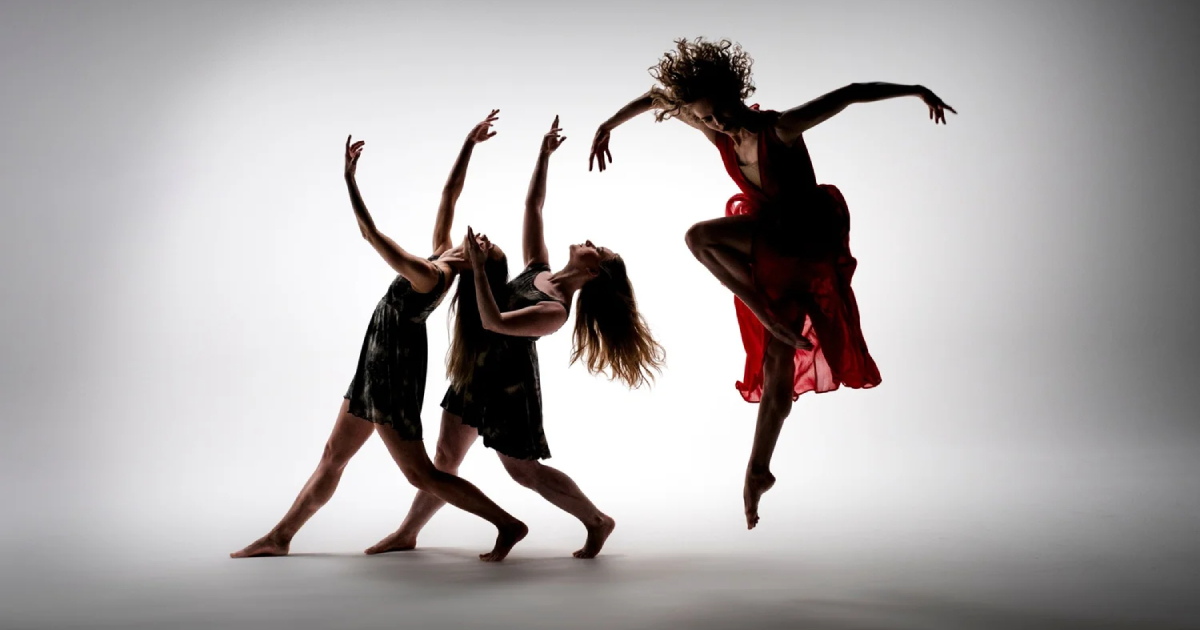
Celebrated modern dance innovator Martha Graham wrote in her 1991 autobiography Blood Memory that a dancer’s “body says what words cannot” and that “movement never lies.”

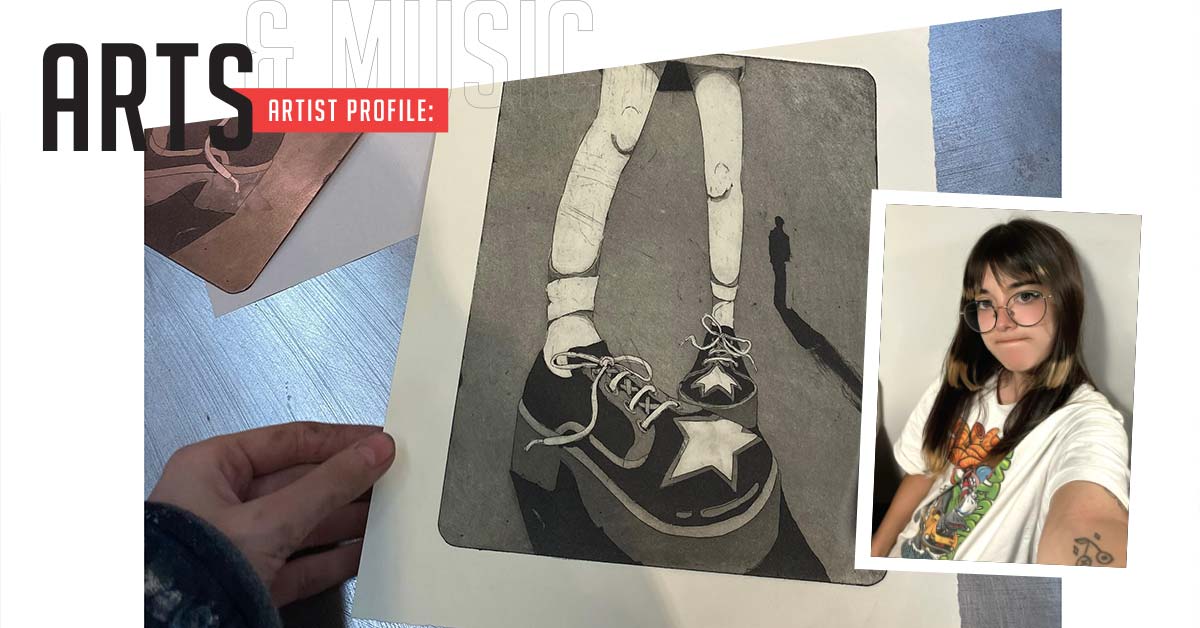
Artist Profiles: CREA

Celebrated modern dance innovator Martha Graham wrote in her 1991 autobiography Blood Memory that a dancer’s “body says what words cannot” and that “movement never lies.”
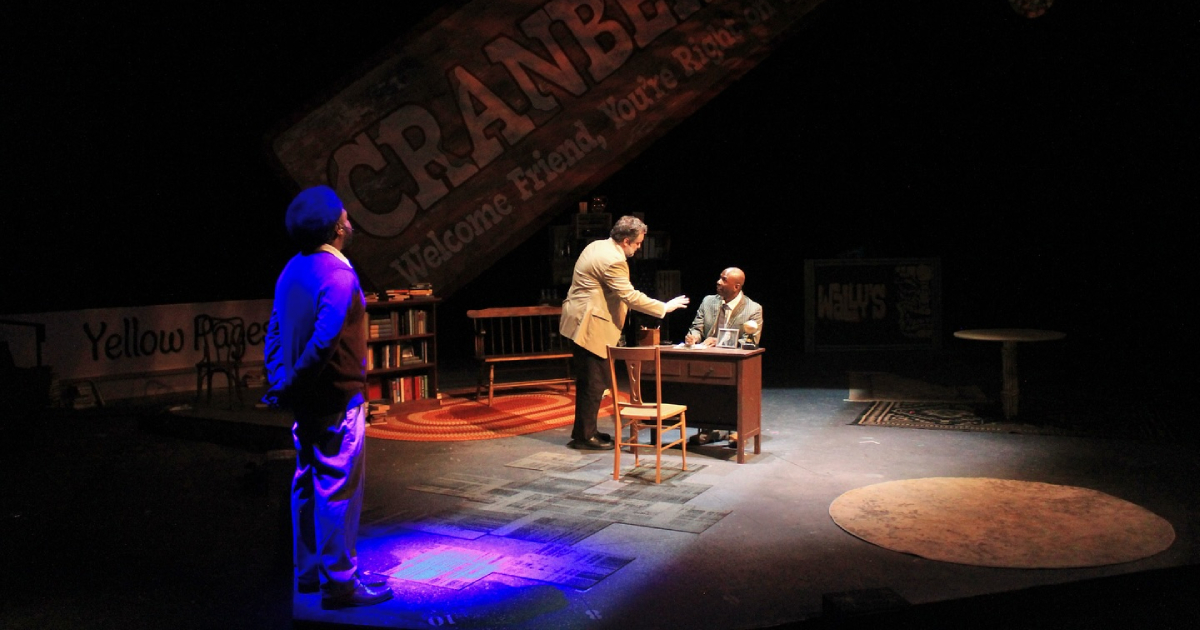
To love is to experience loss; in fact, to live is to be changed by loss. To know these truths is to be human, whether we like it or not. But to to feel them anew, by moving through the time and space of another’s experience, can deepen our understanding of and appreciation for what it means to be human. This is the powerful effect of Primary Trust, Eboni Booth’s 2024 Pulitzer prize winning play, directed with grace by Chuma Gault at Hope Repertory Theatre.
Michelle Obama called it the best piece of art in any form that she’d ever seen in her life. Its popularity is unprecedented, a cultural phenomenon that reinvigorated public interest in both musical theatre and American history.
In the ten years since Hamilton debuted, nothing in musical theater has emerged to challenge it; there has been nothing with as sweeping a scope, as grand an ambition, or as deep an impact.
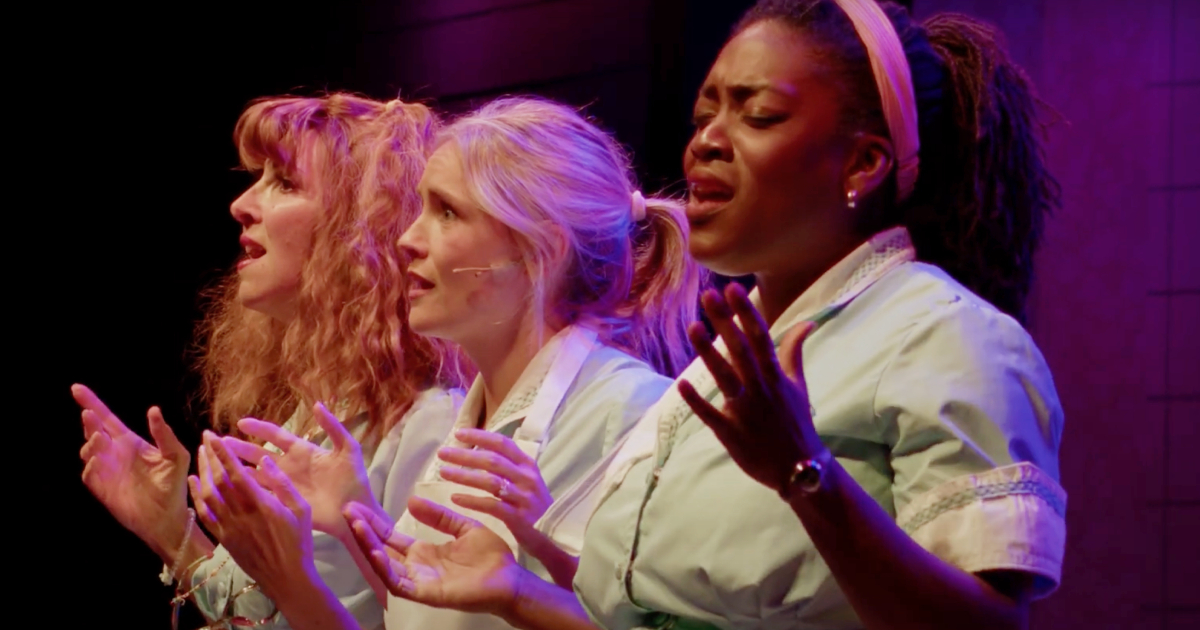
On December 21st, 1981, a review of the new musical Dreamgirls appeared in The New York Times. “When Broadway history is being made,” wrote its author, Frank Rich, “you can feel it. What you feel is a seismic emotional jolt that sends the audience, as one, right out of its wit. While such moments are uncommonly rare these days, I'm here to report that one popped up at the Imperial last night.” He was referring to “And I Am Telling You I’m Not Going,” the fierce and defiant song closing out the first act of Dreamgirls.
“When do we add tension and stress?” The asker is serious: She’s wondering at what point she needs to perform a series of stiff, striking motions.
“Look at me! Look at me! Look at me NOW! It is fun to have fun/ But you have to know how,” declares the Cat in the Hat in Dr. Seuss’s original children’s book, and that playful spiritedness and imagination is what drives The Barn Theatre’s colorful production of Seussical the Musical.
Shakespeare’s Measure for Measure raises important questions about justice and how some succeed as well as fail. “Some rise by sin and some by virtue fall,” is but one truism that speaks to political leadership today as much as it did in 1604, the year the play was first produced.
We rely on stories to connect us, to share human experiences that may or may not be our own, and to teach us, again and again, what it means to be human. But rare and perhaps most lasting are the stories that remind us of what we all too often forget: that above all, humans are kind.
In 1990, David Hockney turned down a knighthood. His reason? He doesn’t “care for a fuss.” Offered the opportunity to paint Queen Elizabeth II, he demurred, citing a busy schedule.
